
Fishing3D Guides
From the printer to the water.
Choose your filament, assemble your first lure and learn how to seal it. Practical guides for your next build.
Auf Deutsch: Ratgeber zum 3D-Druck fürs Angeln
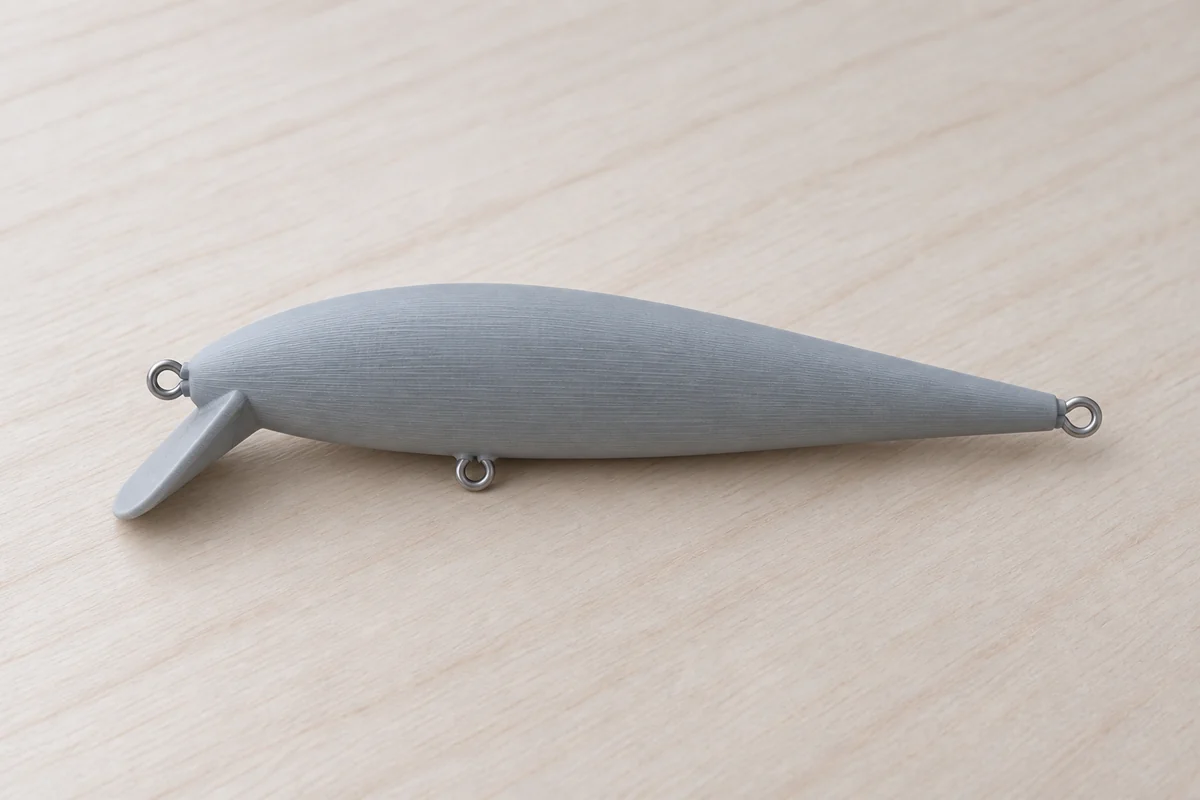 3D Printed Fishing Lures: What Actually Works3D printed fishing lures explained: what a printable wobbler needs, why through-wire and epoxy sealing are required, and what dive depth really means.
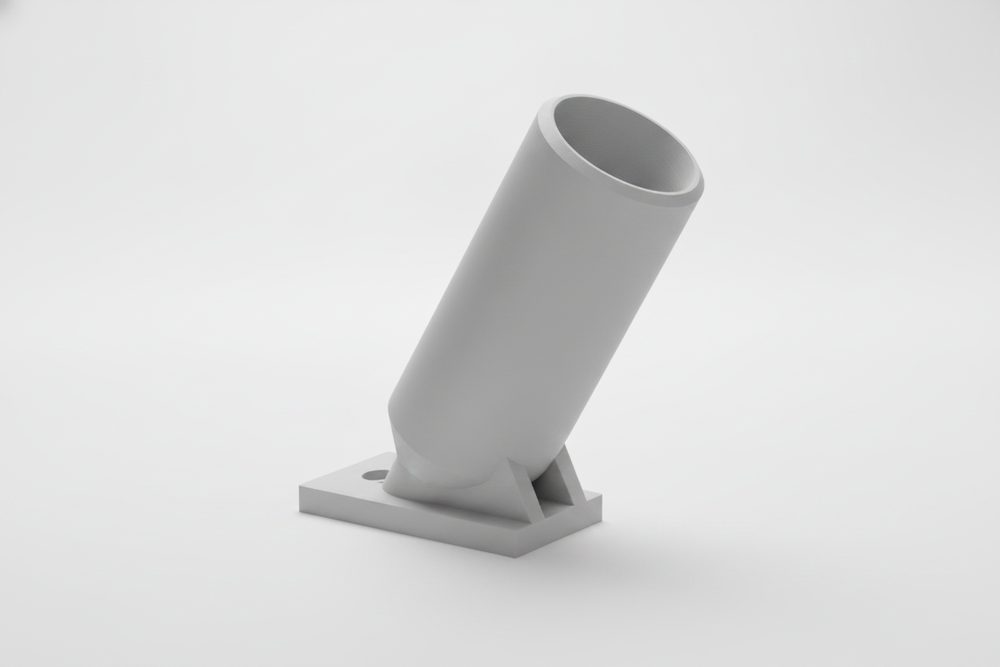 3D Printed Kayak Rod Holders: Gear Track and Rail Mounts3D printed kayak rod holder mounts for gear track and round rail: Ø40 vs Ø50 tubes, required stainless hardware, PETG printing notes, and honest limits.
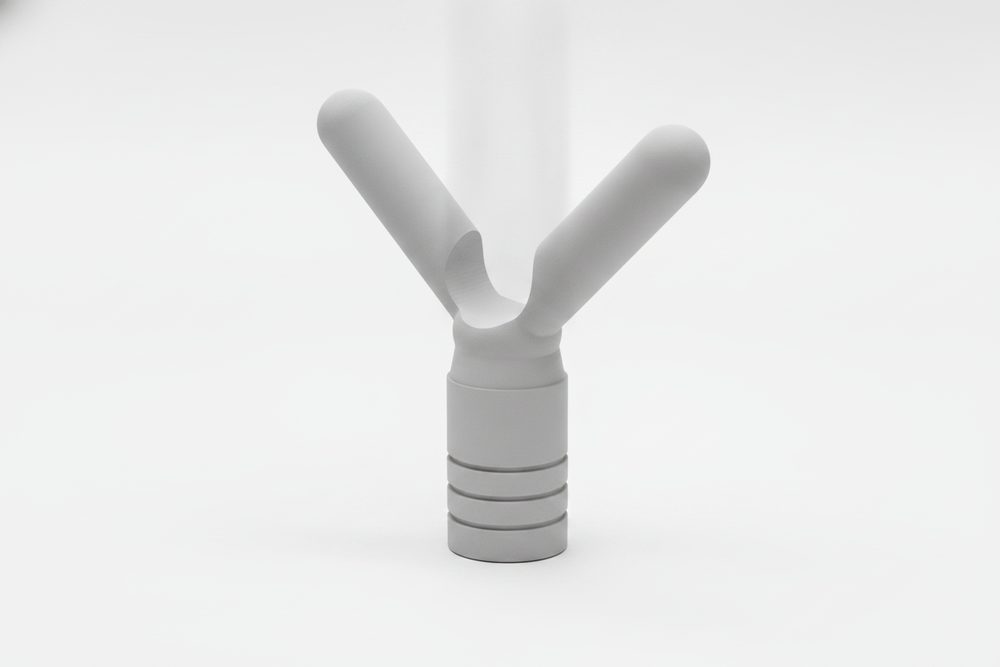 3D Printed Rod Holders: Bank Heads & Bankstick AdaptersHow a 3D printed rod holder actually fits: the 3/8" BSF thread, three head shapes, bankstick adapters, PETG printing settings, and honest limits.
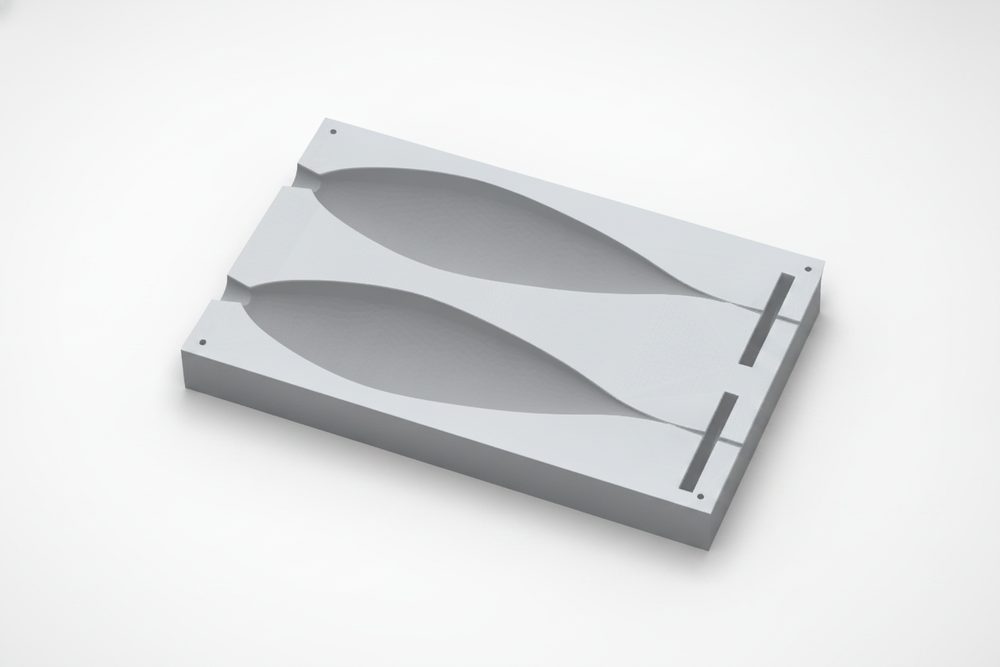 3D Printed Soft Bait Molds: Pouring Your Own Soft Plastics3D printed soft bait molds explained: how two-part PETG molds work, plastisol pouring basics, required safety steps, and an honest look at mold lifespan.
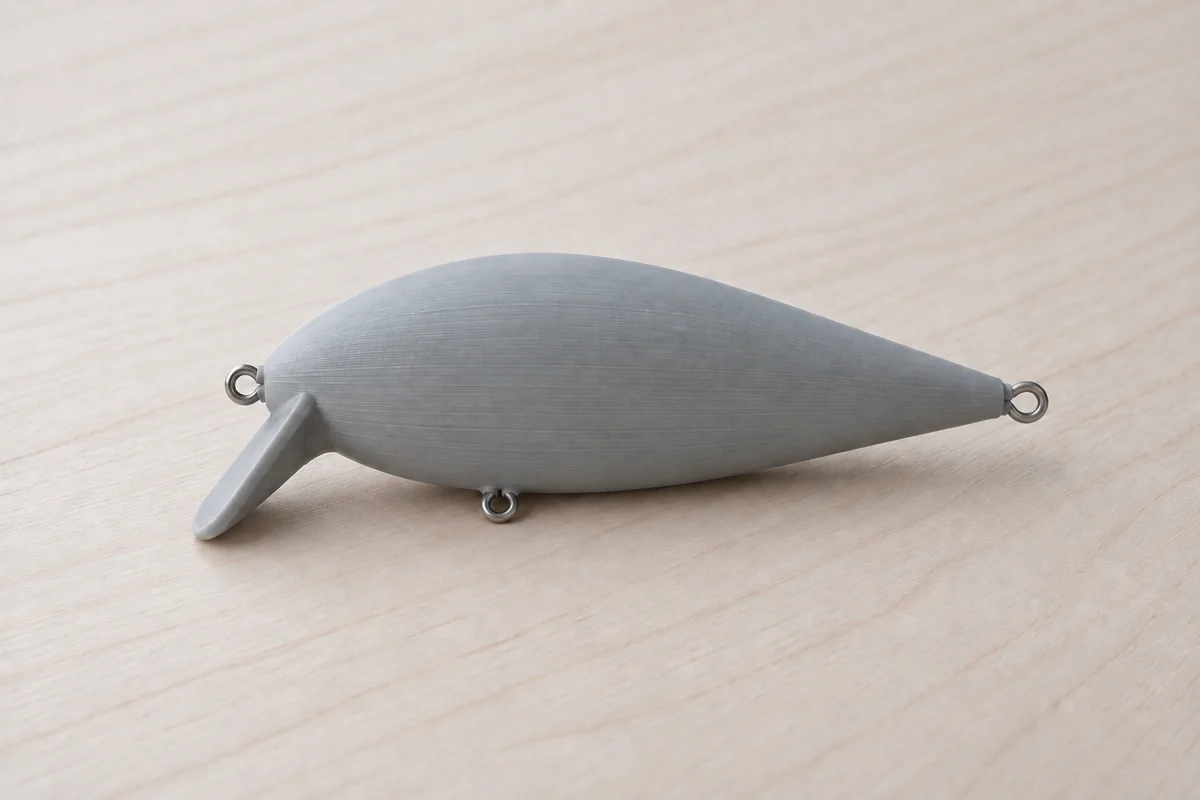 Are 3D Printed Fishing Lures Durable? An Honest AnswerAre 3D printed fishing lures durable? What actually breaks, why through-wire and epoxy sealing are non-negotiable, and where printed lures honestly trail store-bought ones.
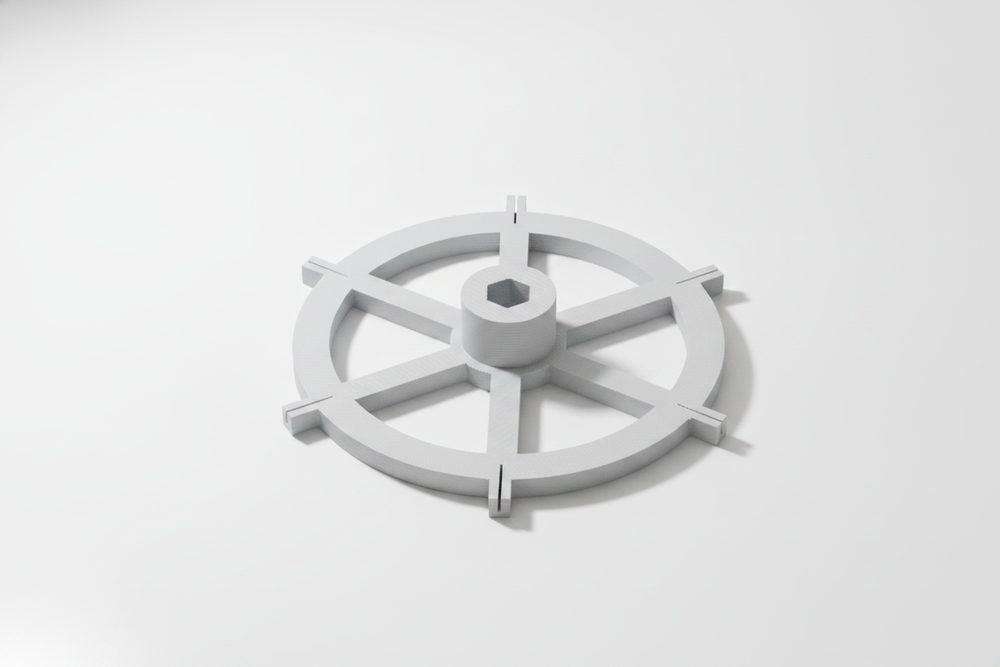 DIY Lure Drying Wheel: 3D Printed, Motor Not IncludedA 3D printed lure drying wheel for even epoxy coats: 6 or 12 lures, a universal hub with shaft adapters, and the 5–6 rpm motor you'll need to source.
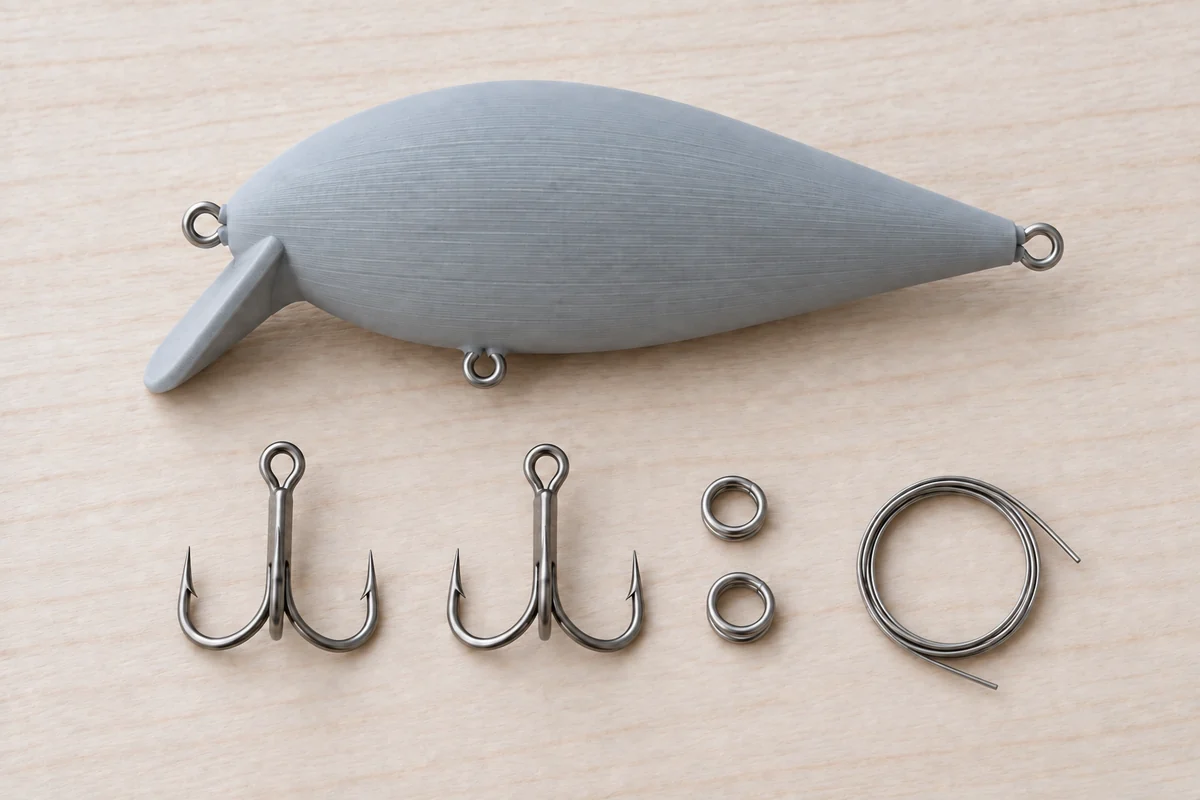 Hooks, Split Rings and Wire for 3D Printed Lures — the Hardware GuideWhich treble hooks, split rings, wire and ballast a 3D printed lure needs: honest sizing rules of thumb, why everything is stainless, and why ballast is never lead.
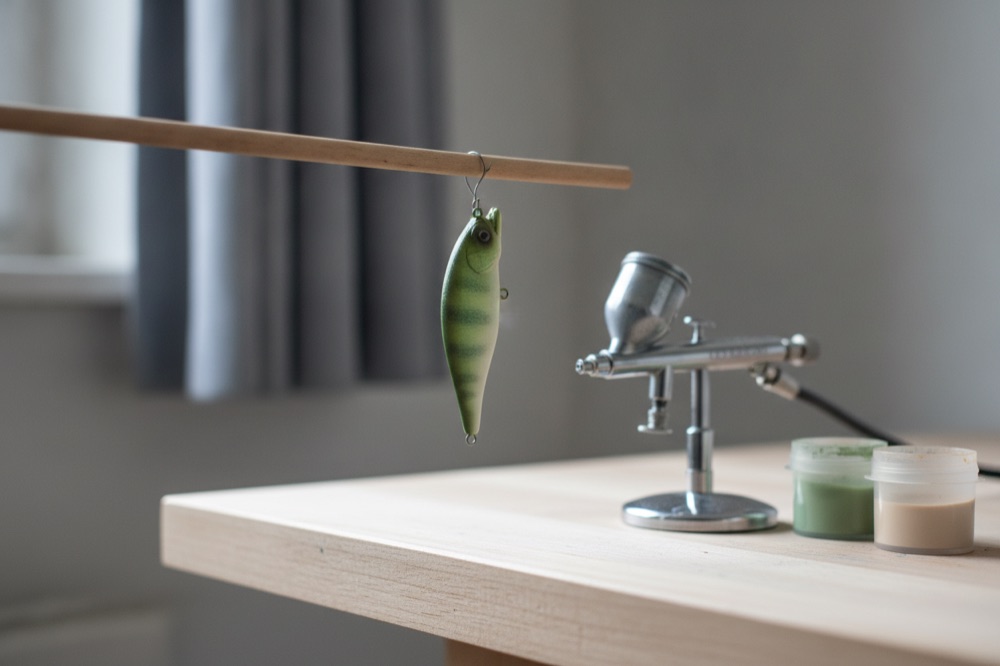 How to Paint a 3D Printed Fishing Lure (and Make It Last)Painting 3D printed fishing lures: surface prep for PETG, primer, rattle can vs markers vs airbrush, simple patterns that work, and the epoxy top coat that makes paint survive.
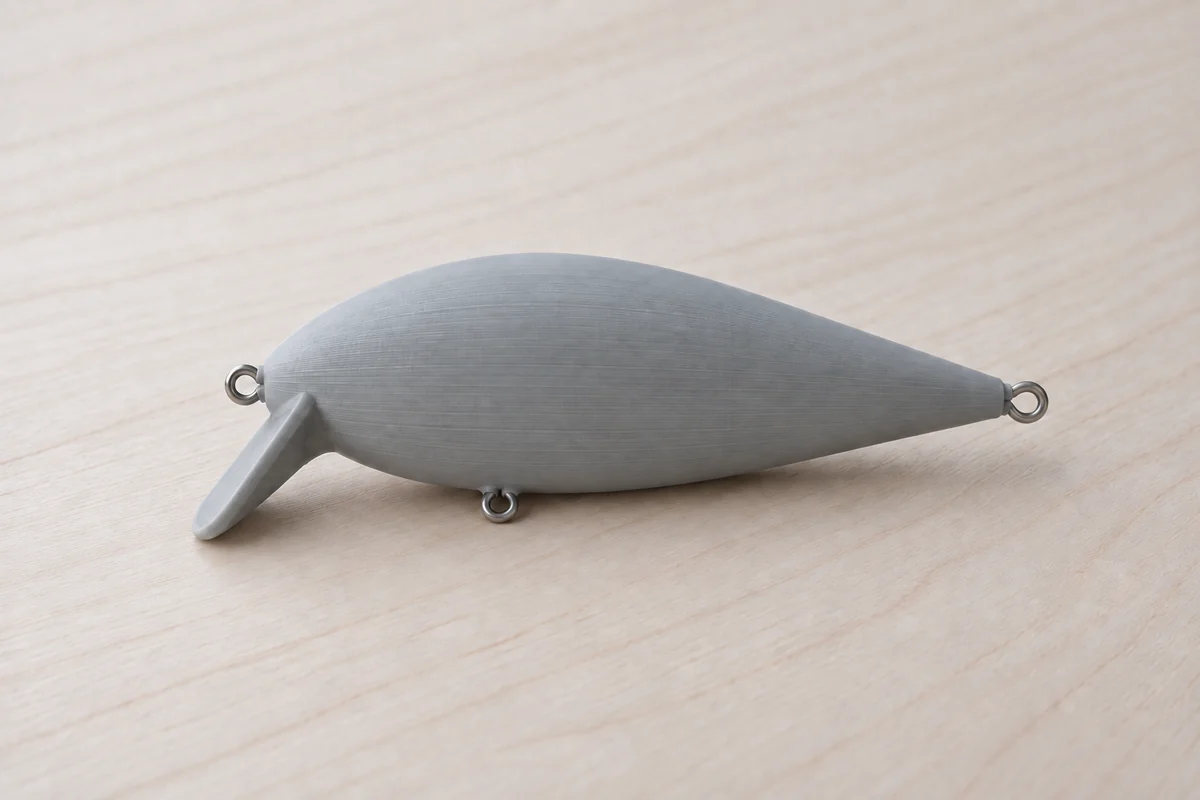 How to Seal 3D Printed Fishing Lures (Epoxy Guide)How to seal 3D printed fishing lures with epoxy: why FDM prints need sealing, the two-coat technique, cure times, and mistakes that cause waterlogging.
PETG vs PLA for Fishing Lures and Fishing GearPETG vs PLA for fishing lures and gear: impact resistance and water resistance compared, plus which material to print for lures, molds, and outdoor hardware.
How to Seal 3D Printed Fishing Lures (Epoxy Guide)How to seal 3D printed fishing lures with epoxy: why FDM prints need sealing, the two-coat technique, cure times, and mistakes that cause waterlogging.
PETG vs PLA for Fishing Lures and Fishing GearPETG vs PLA for fishing lures and gear: impact resistance and water resistance compared, plus which material to print for lures, molds, and outdoor hardware.
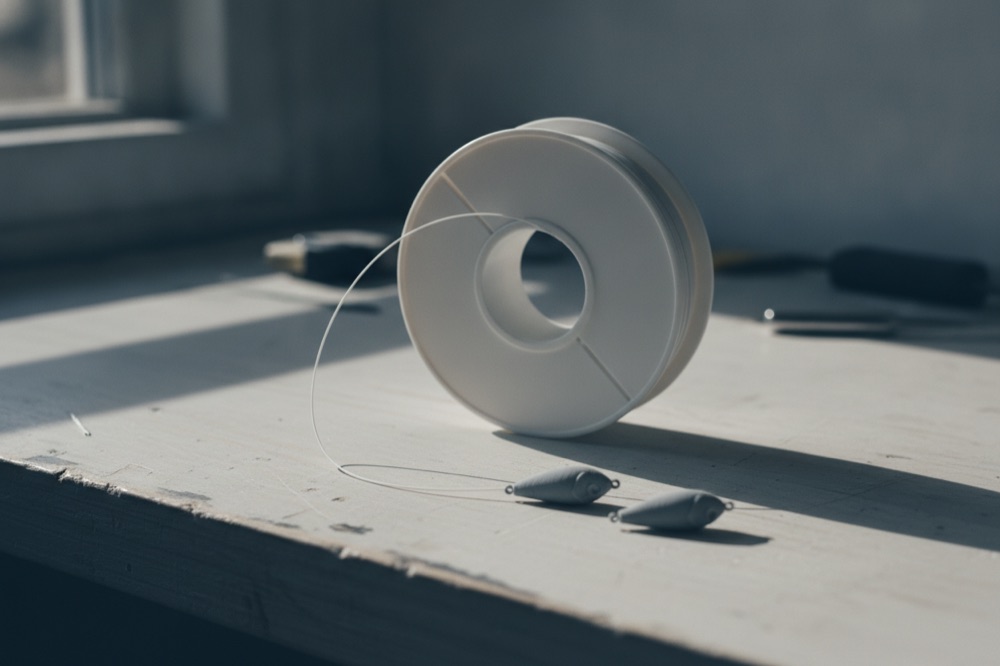 The Best Filament for Fishing Lures (Buy This, Skip That)PETG as a starting material, translucent filament for an unpainted diving lip, or white for an opaque finish. Choose material and color separately.
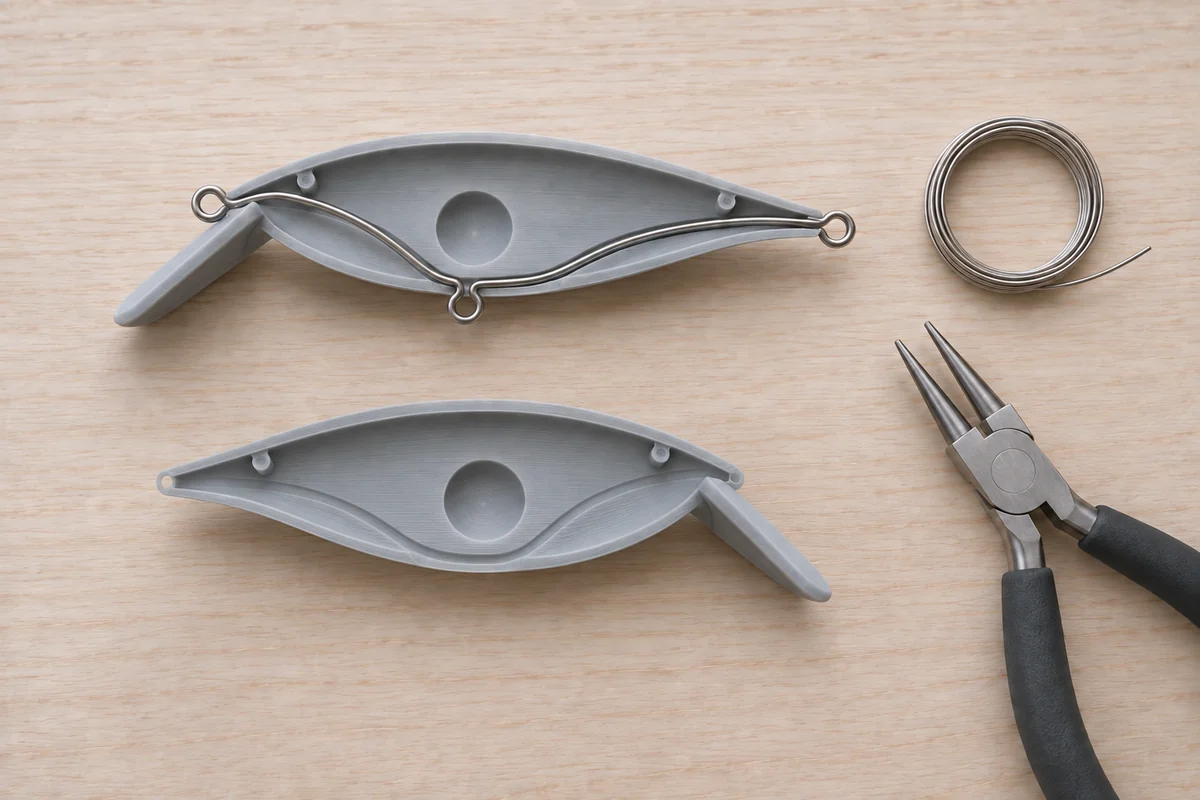 Through-Wire Construction for 3D Printed Lures — Why It's RequiredThrough-wire construction for 3D printed fishing lures: what it is, why layer-bonded prints need it, how to bend clean loops, and which wire gauge to use.
Transparent PLA or PETG for Fishing Lures?Print a translucent diving lip, paint the body and keep the lip free of color. What clear filament can do, how to finish it and what to test first.
Through-Wire Construction for 3D Printed Lures — Why It's RequiredThrough-wire construction for 3D printed fishing lures: what it is, why layer-bonded prints need it, how to bend clean loops, and which wire gauge to use.
Transparent PLA or PETG for Fishing Lures?Print a translucent diving lip, paint the body and keep the lip free of color. What clear filament can do, how to finish it and what to test first.
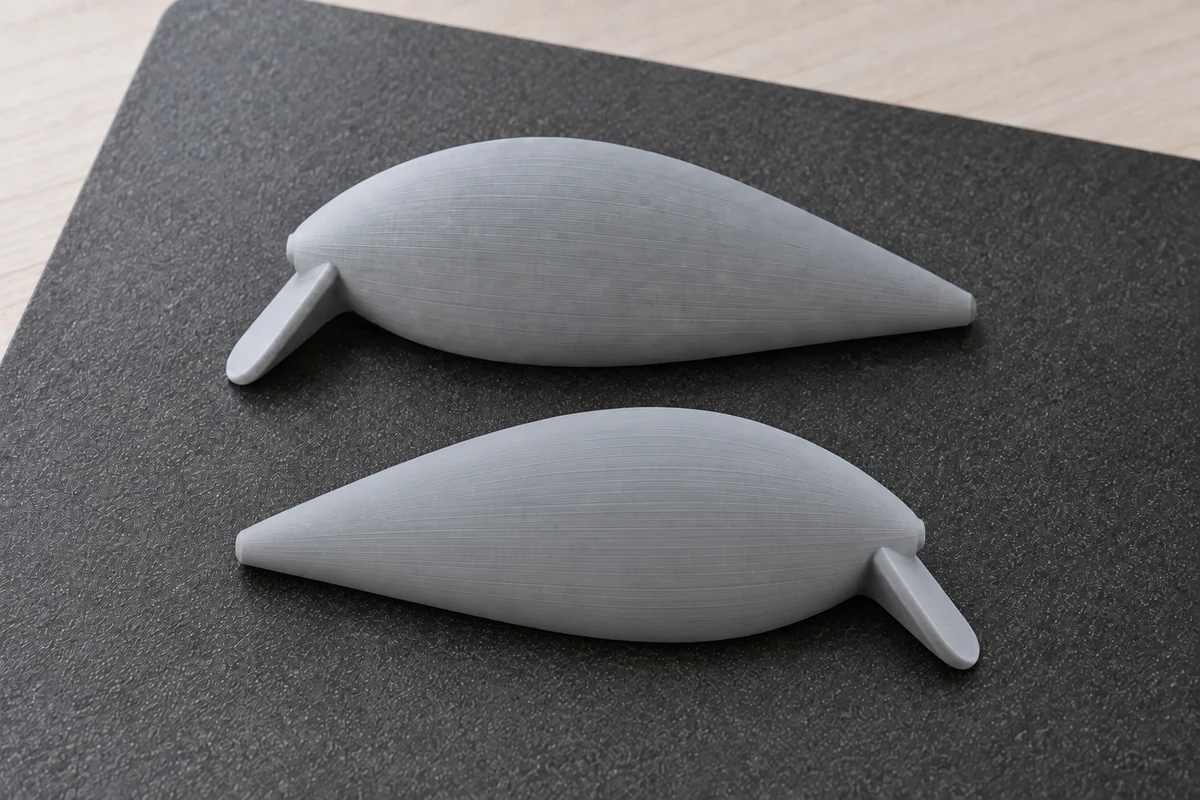 Which 3D Printer for Fishing Gear? (An Ender 3 Is Enough)Which 3D printer for fishing gear: why a 220×220 mm bed like the Ender 3 is enough, what actually matters, and honest notes on printer classes and PETG.