The Best Filament for Fishing Lures (Buy This, Skip That)
PETG as a starting material, translucent filament for an unpainted diving lip, or white for an opaque finish. Choose material and color separately.
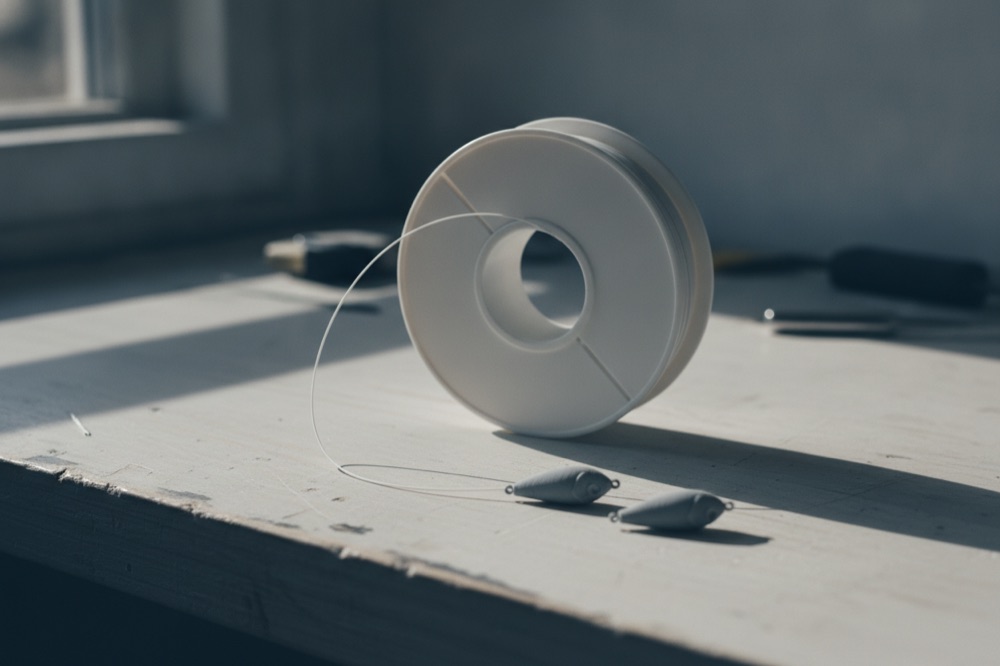
The material question has a short answer — PETG, kept dry, in a color that suits your finish — and a longer honest explanation of why, plus a list of things the filament aisle will try to sell you that a lure builder does not need. If you want the full material science comparison, the PETG vs PLA guide goes deeper; this page is the buying decision.
PETG is the default — here is the short version
A lure body lives a hard life: cast impacts, rocks, teeth, summer heat in a car, and permanent water contact behind a thin epoxy shell. PETG is ductile where PLA is brittle, holds shape at temperatures that soften PLA, and bonds well layer-to-layer. Every print profile we ship assumes it. PLA remains a legitimate fallback for shape checks and light duty — seal it just as thoroughly — but if you are buying a spool specifically for fishing gear, buy PETG. Soft-bait molds need their own material and pouring instructions; a lure recommendation does not establish resistance to hot plastisol.
Translucent lip or opaque finish?
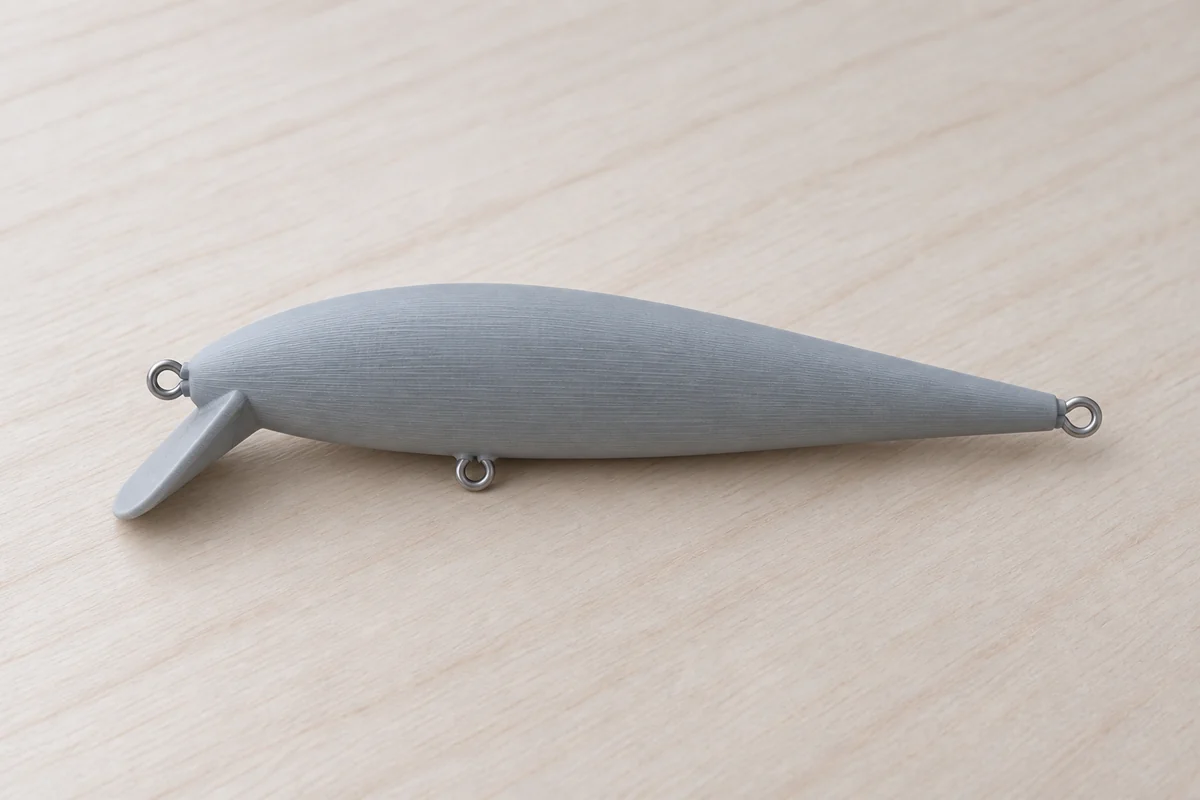
Choose clear or translucent filament if you want to paint the body and leave the diving lip free of color. Translucent PLA is an option for a first trial; PETG remains our recommended base material. Expect a milky or translucent FDM finish, not guaranteed glass clarity. Mask the lip during priming and painting, then include it in the clear epoxy sealing step. Transparent PLA and PETG: leave the lip free of color.
White filament gives opaque paint a light starting background. It is not a primer: prepare the surface and use the primer specified for your coating. Transparent filament needs the same attention to paint adhesion.
Brand matters less than dryness
Mainstream spools from SUNLU, eSUN, ELEGOO and friends all print our parts well — the catalog is deliberately designed around ordinary filament on ordinary printers. The spec that actually separates spools is diameter tolerance (±0.03 mm or tighter) and how dry the filament reaches your printer. PETG absorbs moisture within days of opening: wet PETG strings like a spiderweb, pops microscopic steam bubbles into your layers, and weakens exactly the bonds a lure depends on. The unglamorous truth: a €14 spool plus dry storage beats a €30 spool stored open on a shelf.
That makes a dry box the one accessory worth adding to a filament order — either a sealed storage box with desiccant, or an active dryer that also feeds the printer while drying. If your prints suddenly get hairy after a spool sat out for two weeks, moisture is the reason; a few hours at ~55 °C brings the spool back.
What not to buy
- Carbon-fiber PETG — abrasive (eats brass nozzles), twice the price, and adds stiffness a lure body does not want.
- Silk PLA — the shine gets painted or epoxied over; you pay extra for an effect the build erases, on a material that is the weaker choice anyway.
- ABS/ASA for lures — solves heat problems a lure never has, and brings warping and fumes. (ASA has a niche for permanently sun-exposed hardware like rod holders — covered in the material guide.)
- Flexible TPU — soft baits are poured from plastisol in printed molds, not printed directly; TPU is the wrong tool here.
The honest shopping list
One spool of white PETG covers a season of lures with room to spare — the links below are the exact kind of spool we design around. Add a dry box if your climate is humid or your spools live outside a sealed cabinet. That is the whole material story: no exotic filament makes a lure catch more fish, but dry PETG makes every lure you print stronger.
 PETG filament, white 1 kg (SUNLU)The paint base. White body = primer already on — and sealed raw it reads as classic bone.
 PETG filament 1.75 mmThe material we design for — tough, water-safe, easy to print.
 Filament dry box with fanPETG pulls moisture in days. Dry filament prints stronger lures — this is the one accessory that earns its space.
Frequently asked
How many lures does one spool print?
A 9 cm lure body prints at roughly 15–20 g with our profiles, so a 1 kg spool is dozens of lures — plus molds, holders and whatever else you print that year. Material cost per lure is cents, not euros.
Does filament brand really matter?
Less than the marketing says. What matters is diameter tolerance (±0.03 mm or better), a clean wind, and above all dryness. SUNLU, eSUN, ELEGOO and similar mainstream brands all print our parts fine. A premium spool of wet filament prints worse than a budget spool of dry filament.
Why does PETG string and how do I stop it?
PETG is hygroscopic — it pulls moisture from the air within days of opening, and wet PETG strings, bubbles and weakens layer bonds. Store opened spools sealed with desiccant, and if printing gets hairy, dry the spool (a filament dry box at ~55 °C for a few hours, or follow your dryer's PETG preset).
White, natural or colored filament?
Translucent filament lets you paint the body while keeping the diving lip free of color. White is a useful starting color for opaque patterns. Neither replaces primer or surface preparation. Clear epoxy sealing is required either way; actual transparency depends on the print.
What about carbon-fiber PETG, silk PLA or ABS?
Skip all three for lures. CF-PETG wears standard brass nozzles, costs double, and stiffness is not what a lure body needs. Silk PLA trades strength for shine that gets painted over anyway. ABS buys heat resistance a lure never needs, at the price of warping and fumes.
Every Fishing3D file ships with the guides that match it — print profiles, assembly, sealing, tuning. Ordering opens soon — leave your email for a single heads-up.