PETG vs PLA for Fishing Lures and Fishing Gear
PETG vs PLA for fishing lures and gear: impact resistance and water resistance compared, plus which material to print for lures, molds, and outdoor hardware.
Auf Deutsch: Materialwahl für Angelzubehör aus dem 3D-Drucker
Anyone who owns a 3D printer and fishes ends up asking the same question: PETG or PLA? The honest answer is that neither material wins outright — the application decides. A lure that gets cast, retrieved through cover, and stored in a tackle box needs different properties than a soft-bait mold filled with plastisol at 170 °C, and both need different properties than a rod holder that lives outdoors in UV and rain all season. This guide breaks down what actually differs between the two materials and where each one belongs.
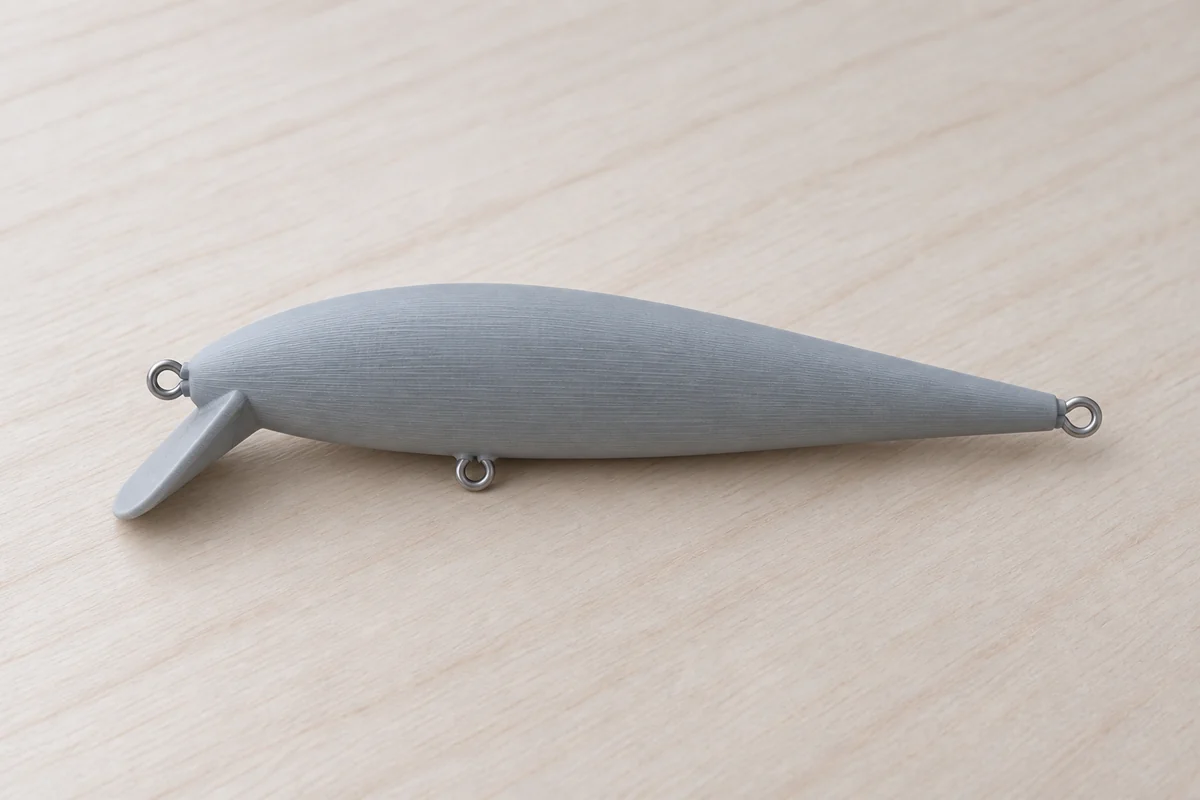
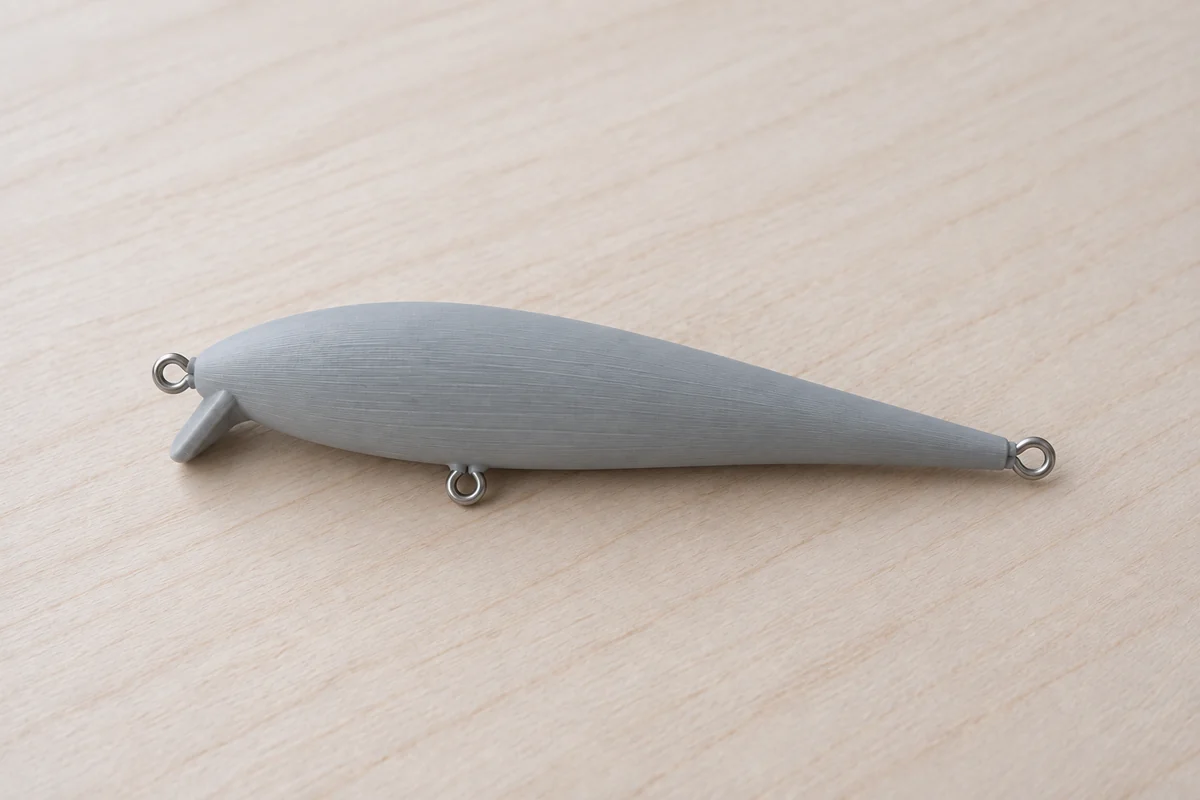
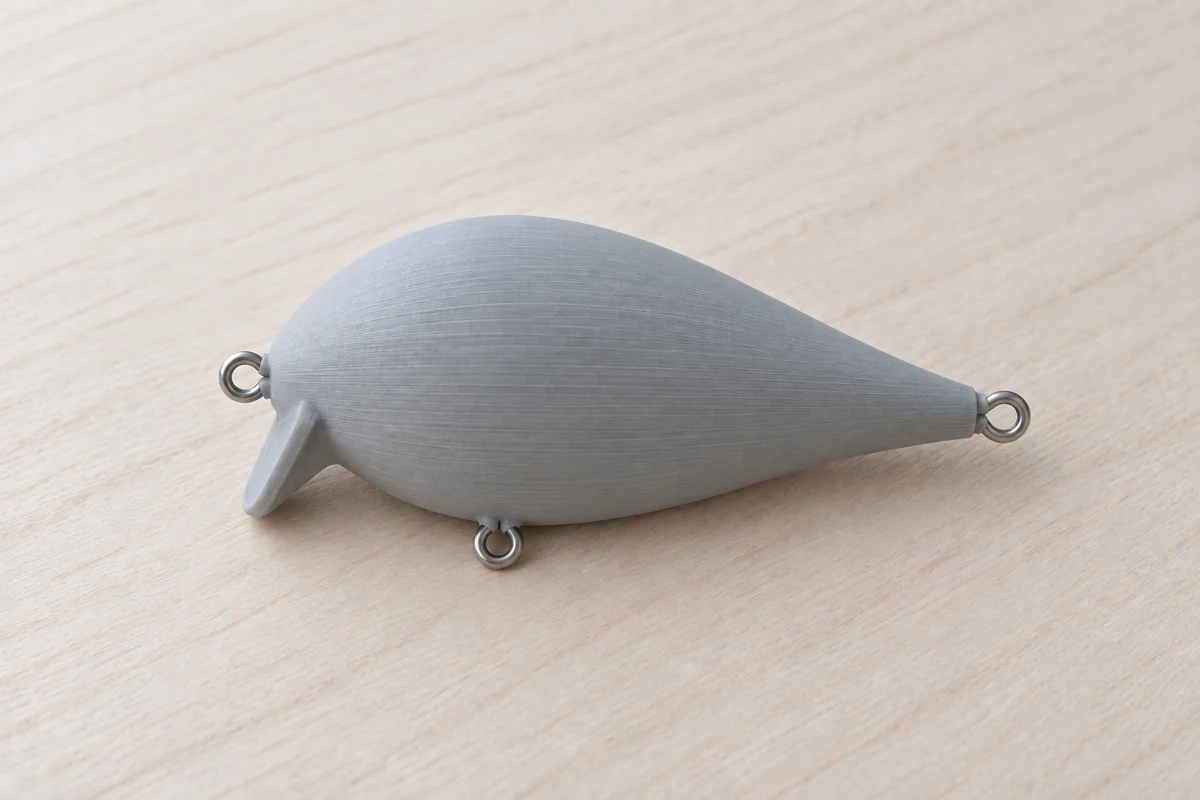
A translucent diving lip
Transparent PLA or PETG lets you try a painted body with a lip left free of color. Keep the lip masked during body priming and painting, then seal it with compatible clear epoxy. Expect translucency rather than guaranteed glass clarity. Transparent PLA and PETG: leave the lip free of color. Transparent filament does not replace surface preparation or make PLA more heat-resistant.
PLA: easy to print, stiff, but brittle and heat-sensitive
PLA is the default filament on almost every printer for a reason. It is dimensionally stable, barely warps, sticks to a cold bed without drama, and tolerates a wide range of print speeds and temperatures without much tuning. For a first print or a quick shape check, PLA is still the easiest material to trust.
The tradeoffs show up once the part leaves the bed. PLA is stiff but brittle — it does not flex much before it cracks, which matters at thin sections like a lure's through-wire channel or a mold's sprue. That brittleness concentrates at any feature with a small cross-section — a hook eyelet, a thin fin, the ridge around an alignment hole — these are the first places a PLA part cracks under stress, well before the bulk of the part shows any sign of failure. PLA also softens at a lower temperature than most people expect, typically somewhere around 55–60 °C. A lure left on a dark kayak deck in summer sun, or in a closed car, can reach that range. It also absorbs moisture over time and degrades faster under UV and prolonged water exposure than PETG does — not dramatically, but noticeably over a season of use.
PETG: tougher, more weather-resistant, a bit fussier to print
PETG sits a step up in impact resistance and flexibility. It absorbs shock instead of cracking, holds up better to repeated water exposure, and has a meaningfully higher heat-deflection point than PLA — it will not go soft sitting in a hot car the way PLA can. For anything that gets thrown, dragged over rocks, or left outside, that toughness matters more than PLA's easier print behavior.
The cost is print discipline. PETG is more prone to stringing between features, so retraction settings need to be dialed in rather than left at printer defaults. It does not release from a print bed as easily and can leave an elephant's foot at the first layer if the nozzle sits too close. It is also hygroscopic — it pulls moisture from the air over months of open storage, which shows up as popping sounds and a rougher layer finish. None of this is difficult, it just is not as forgiving as PLA on the first try.
What to print in what
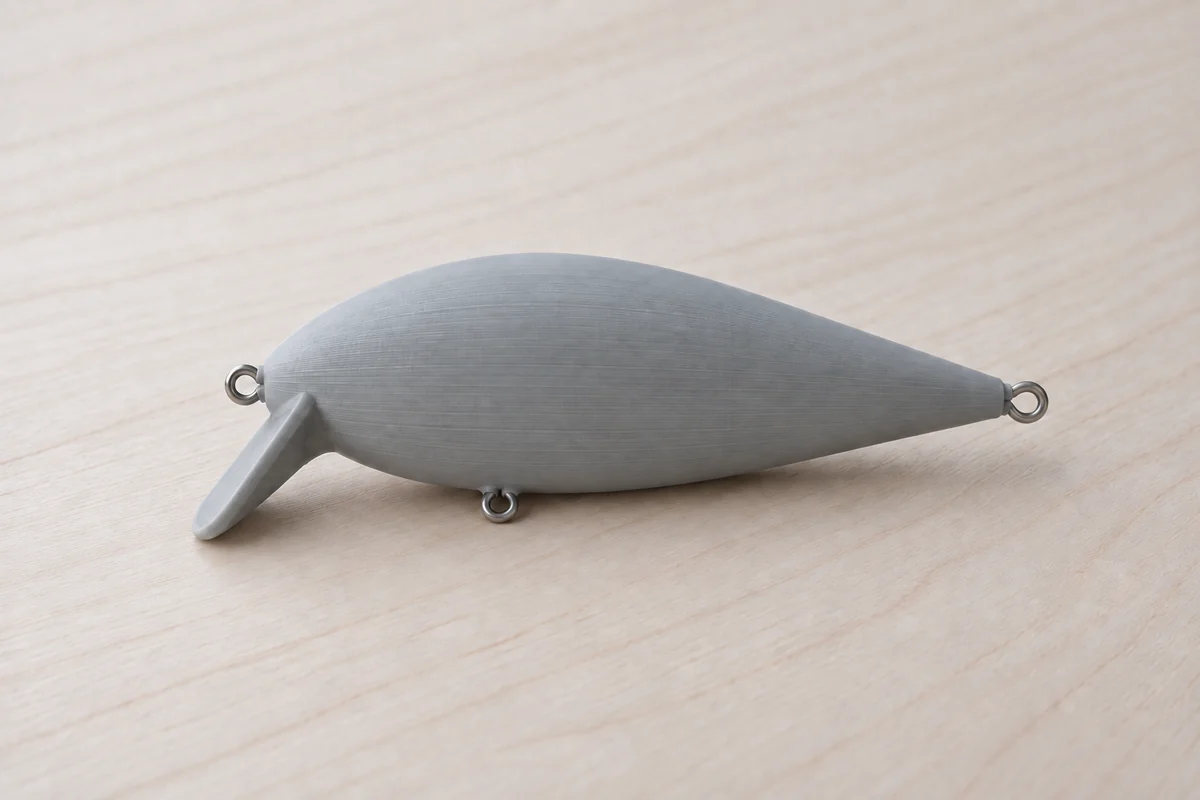
Lures: PETG is the recommended material — it takes casting impact and the load through the through-wire channel better, and it holds up to water exposure over a season. PLA works too, but it needs to be sealed just as carefully, since a bare PLA print is more brittle in water and less impact-resistant than PETG. Either way, the epoxy sealing step is required, not optional, in either material — a lure body straight off the printer is not watertight.
Soft-bait molds: PETG only. Plastisol pours at roughly 170 °C, well past where PLA deforms — a PLA mold plate warps or sags the first time hot plastisol hits it. This is not a preference, it is a hard material limit; see our soft-bait mold guide for the full pour process. A design like the Shad Paddle Mold 10 is built around PETG for exactly this reason.
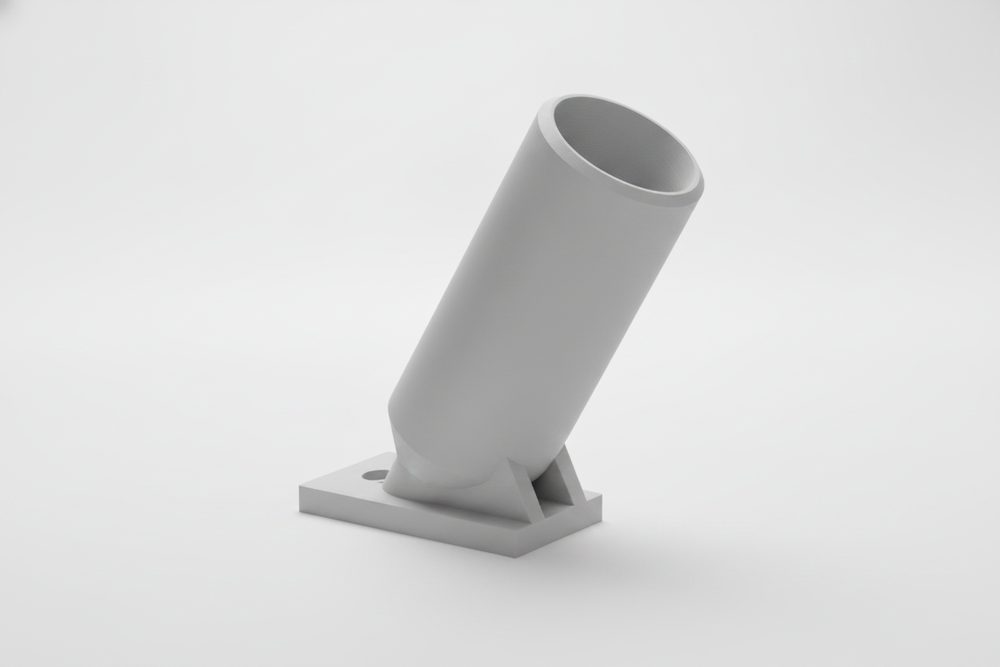
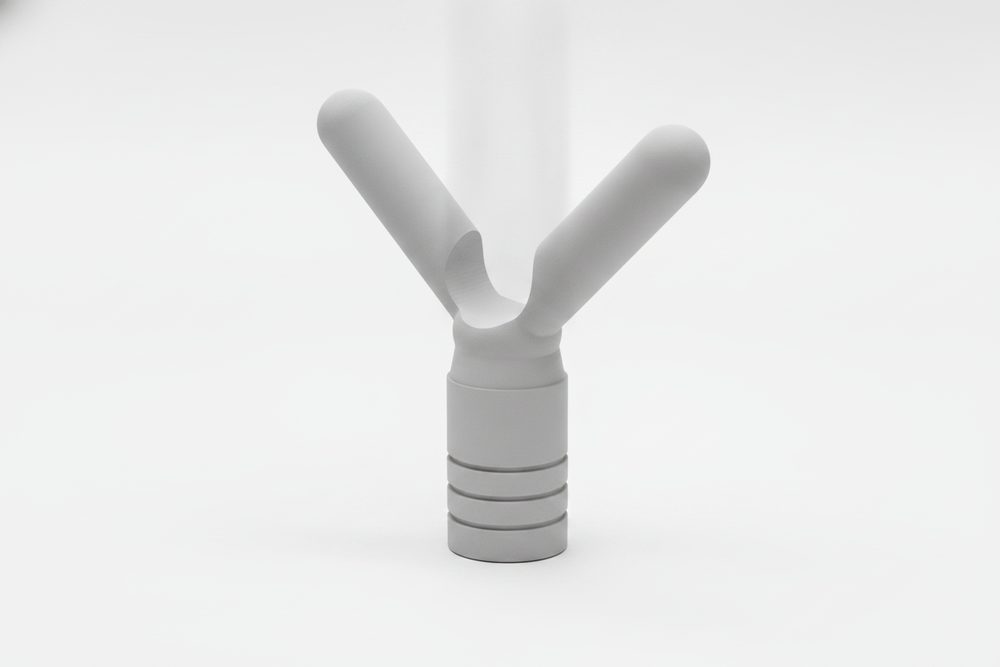
Outdoor hardware — rod holders, kayak mounts: PETG or ASA. These parts sit outside for entire seasons, and UV exposure is the real enemy here rather than impact. PLA yellows and turns brittle under sustained sun faster than either PETG or ASA. ASA has a slight edge in long-term UV stability over PETG, but it prints best with an enclosure to control drafts and layer adhesion — not a requirement for most anglers, just a step up if you already print ASA regularly. For most people, PETG is the simpler choice that still holds up fine outdoors.
Print settings: what actually changes
The two materials are not interchangeable at the slicer level. PLA typically prints around 190–210 °C at the nozzle, with no heated bed strictly required (though 50–60 °C helps adhesion), and cooling fans running near full speed from the first layers up. PETG runs hotter — around 230–250 °C at the nozzle, bed heated to roughly 75–85 °C — and prefers less aggressive part cooling, since too much fan can cause layer delamination. Print speed also drops for PETG; going 20–30% slower than a typical PLA profile reduces stringing and improves layer bonding. See our printer setup notes for dialed-in profiles per printer if you are moving between the two materials on the same machine.
Storage matters more for PETG, too. It does not need to live in a sealed box between every session, but a few humid days in a garage is enough to introduce moisture that shows up as tiny surface bubbles and popping sounds mid-print. A resealable bag with a silica packet between sessions solves this for most people; a dedicated filament dryer is only worth it if you print PETG constantly. Cost is not a real factor either way — PETG typically runs 10–20% more per spool than PLA, a difference that does not matter at the size of these parts.
No material war, just a use case
PLA is not a bad material and PETG is not automatically "better" — they solve different problems. PLA is the right call for a first test print, a shape check, or a low-stress indoor part. PETG is the right call for anything that gets wet, gets thrown, sits in the sun, or touches hot plastisol. Pick based on what the part actually has to survive, not brand loyalty to one filament.
 PETG filament 1.75 mmThe material we design for — tough, water-safe, easy to print.
 PETG filament, white 1 kg (SUNLU)The paint base. White body = primer already on — and sealed raw it reads as classic bone.
Frequently asked
Can I print fishing lures in PLA instead of PETG?
Yes. PLA prints easily and holds its shape well, but it's more brittle on impact and less water-resistant than PETG. If you use PLA, seal it just as thoroughly — the epoxy sealing step is required for either material.
Why does PETG matter so much for soft-bait molds?
Plastisol is poured at around 170 °C. PLA deforms at that temperature, so a PLA mold plate warps or sags on first use. PETG holds its shape through repeated hot pours, which is why it's a requirement for molds, not just a suggestion.
Is ASA worth using instead of PETG for outdoor parts?
ASA has slightly better long-term UV resistance than PETG, but it prints best in an enclosure. For most anglers, PETG is the simpler choice and still holds up well outdoors over a season.
Do I need a special printer to print PETG?
No. Any FDM printer that can hold a nozzle around 230–250 °C and a bed around 75–85 °C handles PETG fine — that includes budget machines like the Ender 3.
Why does PETG string more than PLA?
PETG is more viscous when hot and does not stop oozing as cleanly during travel moves, so it needs tighter retraction settings than a typical PLA profile. It's a slicer-tuning issue, not a sign anything is wrong with the filament.
Does PETG absorb water?
PETG itself absorbs very little water in use — the practical issue on lures is never the material soaking, it's water wicking through the microscopic gaps between printed layers. That's why the epoxy sealing step is required for lure bodies in every material, PETG included.
At what temperature does a PLA part deform?
PLA starts softening around 55–60 °C — a temperature a closed car or a black tackle box in summer sun reaches easily. PETG holds shape up to roughly 75–80 °C, which is why we recommend it for anything that lives outdoors or travels in the car.
Every Fishing3D file ships with the guides that match it — print profiles, assembly, sealing, tuning. Ordering opens soon — leave your email for a single heads-up.